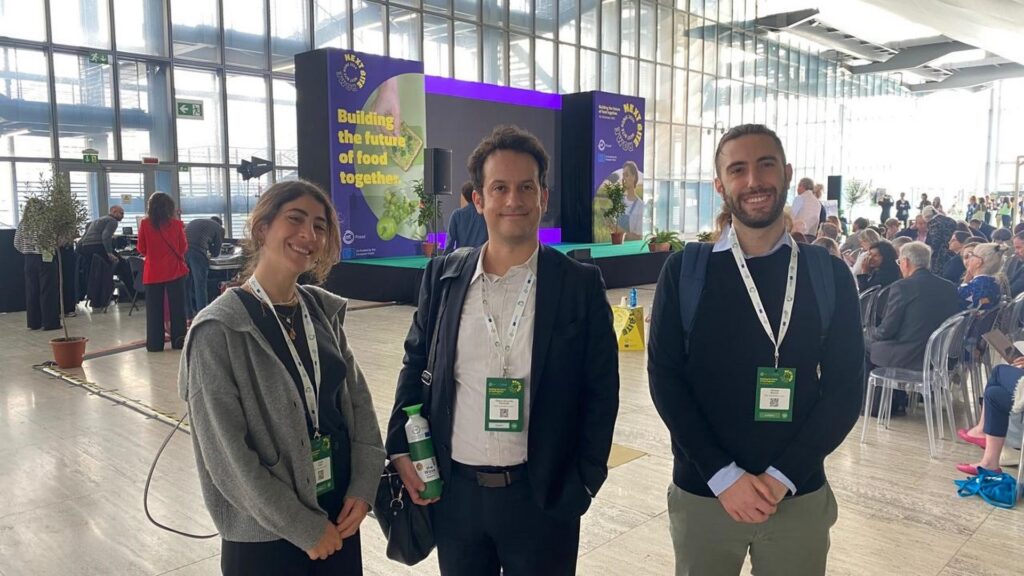
Collaboration sits at the heart of Europe’s innovation ecosystem, particularly in sectors where sustainability, resilience and scientific advancement intersect. The partnership between Magfi and EIT Food, which is part of the European Institute of Innovation and Technology (EIT), a body of the European Union, offers a clear example of how Maltese organisations can actively contribute to, and benefit from, pan-European innovation initiatives while supporting national priorities such as Malta’s Vision 2050.
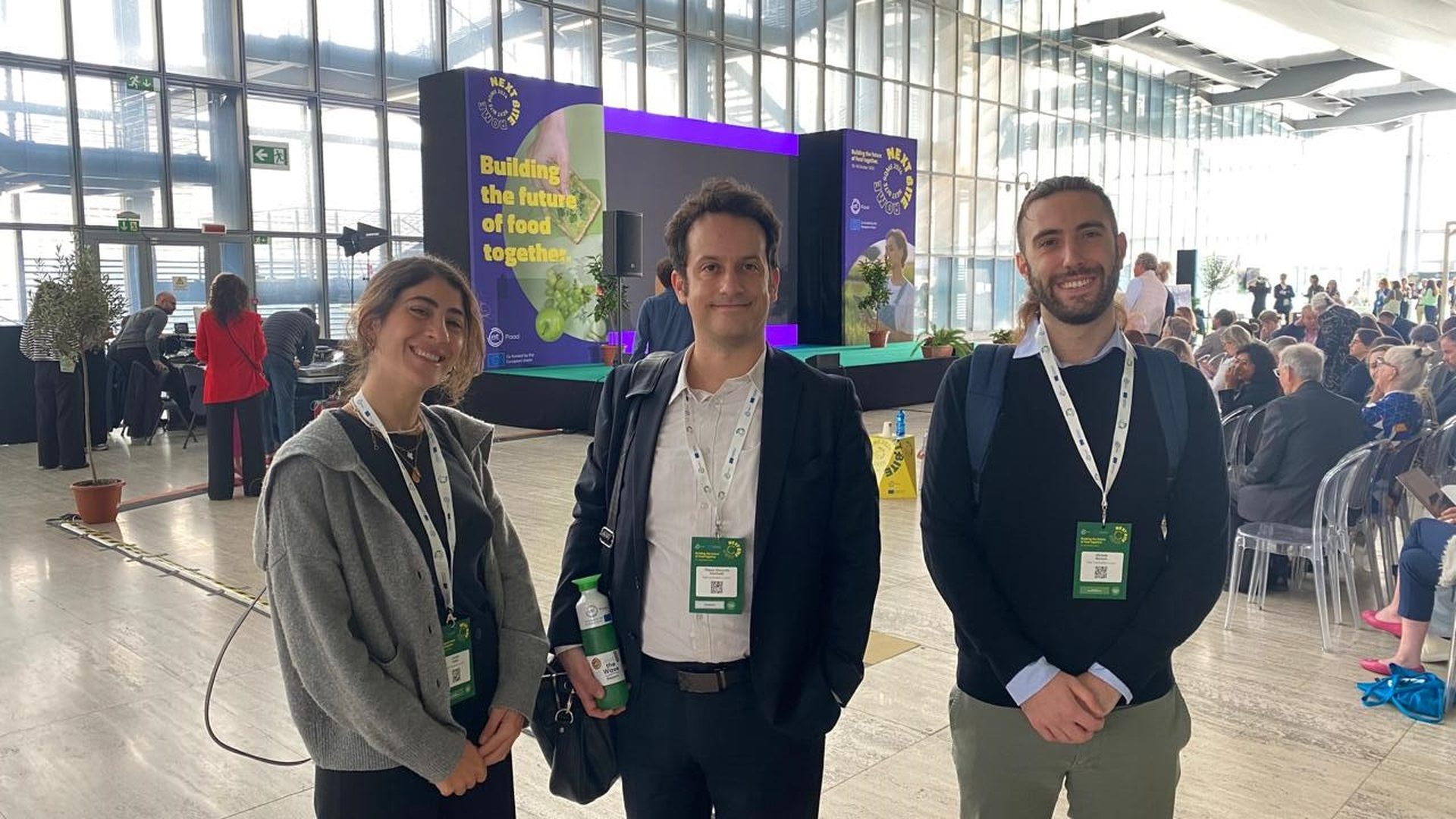
Magfi has been a member of EIT Food since 2021 and today participates as an EIT Food Community Member. Over the past four years, this relationship has provided Magfi with access to a broad network of innovators, researchers and industry stakeholders across Europe, as well as first-hand insight into the challenges shaping the future of the food system. Participation in flagship EIT Food events such as Next Bite has further strengthened Magfi’s understanding of foodtech trends, sustainability priorities and commercialisation pathways.
This collaboration has translated into tangible project involvement. Magfi has contributed to three EIT Food-funded initiatives completed between 2021 and 2024, each addressing different dimensions of food innovation, from nutraceutical development and circular economy models to strategic policy and ecosystem development.
Three EU-Funded Projects, Three Different Challenges
One of the earliest projects, SPIN OFF, focused on optimising a nutraceutical solution developed during the COVID-19 pandemic. The project aimed to enhance the commercial readiness of a supplement formulated to support cellular resilience through specific bioactive compounds. Magfi’s role centred on developing a comprehensive communications and market positioning strategy, including stakeholder mapping, market analysis and messaging frameworks to support the product’s commercialisation across European markets. This work helped bridge the gap between scientific innovation and market deployment, contributing to the successful advancement of the final product.
The PROSEED project addressed sustainability from a circular economy perspective by seeking to valorise grape seeds, a byproduct of the wine industry, into a high value protein ingredient for the food and beverage sector. Within this initiative, Magfi led communication and dissemination activities, grounding them in extensive market and stakeholder research. This approach ensured that technical innovation was supported by clear, accessible messaging tailored to industry, policy and commercial audiences. The project also resulted in a strong visual identity and digital presence, supporting engagement with partners, investors and potential adopters of the technology.
More recently, Magfi contributed to the EU Food Biofutures project, a strategic initiative bringing together experts from across Europe to identify bottlenecks and opportunities within the food biotechnology sector. The project produced recommendations across seven critical pillars, including education, funding, infrastructure and ecosystem coordination. Magfi led research within the education and finance pillars, mapping food biotech education pathways across Europe and analysing public and private funding instruments available to the sector. The insights generated have informed policy discussions and helped shape EIT Food’s strategic direction, with several current actions traceable back to the Biofutures recommendations.
Beyond individual project outcomes, the collaboration has delivered broader value. For Magfi, participation in EIT Food projects has strengthened internal expertise, expanded service offerings and deepened understanding of Europe’s foodtech and biotech landscapes. It has also demonstrated how structured collaboration can accelerate innovation while maintaining alignment with regulatory, market and sustainability considerations.
The experience has not been without challenges. Projects such as Biofutures required extensive research to be delivered within demanding timelines, necessitating disciplined project management and close cooperation among partners. These challenges were addressed through rigorous coordination, shared responsibility and a strong collaborative culture across the consortium.
What Does Malta Gain from European Collaboration?
From a Maltese perspective, the collaboration highlights the role local organisations can play within Europe’s wider innovation ecosystem. While Malta’s size presents certain challenges, it also creates opportunities to develop specialised expertise, intellectual property and niche capabilities that can be scaled internationally. Food innovation, in particular, remains a critical area where smaller countries can contribute meaningfully without relying solely on domestic production capacity.
Magfi’s work aligns closely with broader sustainability objectives, supporting circular economy principles, bioeconomy development and long-term climate goals. This alignment reinforces the relevance of EIT Food initiatives within the context of Malta’s Vision 2050, demonstrating how European collaboration can translate into local impact.
As Malta continues to position itself within Europe’s innovation landscape, partnerships such as that between Magfi and EIT Food underline the importance of cross-border collaboration, knowledge exchange and strategic investment in sustainable technologies. For Maltese entrepreneurs and businesses, the message is clear. Engaging with European innovation networks offers not only access to funding and expertise, but also a platform to shape the future of critical sectors such as food and sustainability.
More information on the opportunities available to businesses in Malta through the European Institute of Innovation and Technology and EIT Food specifically are available from the EIT Community Hub Malta, which can be reached on malta@eitcommunity.eu.