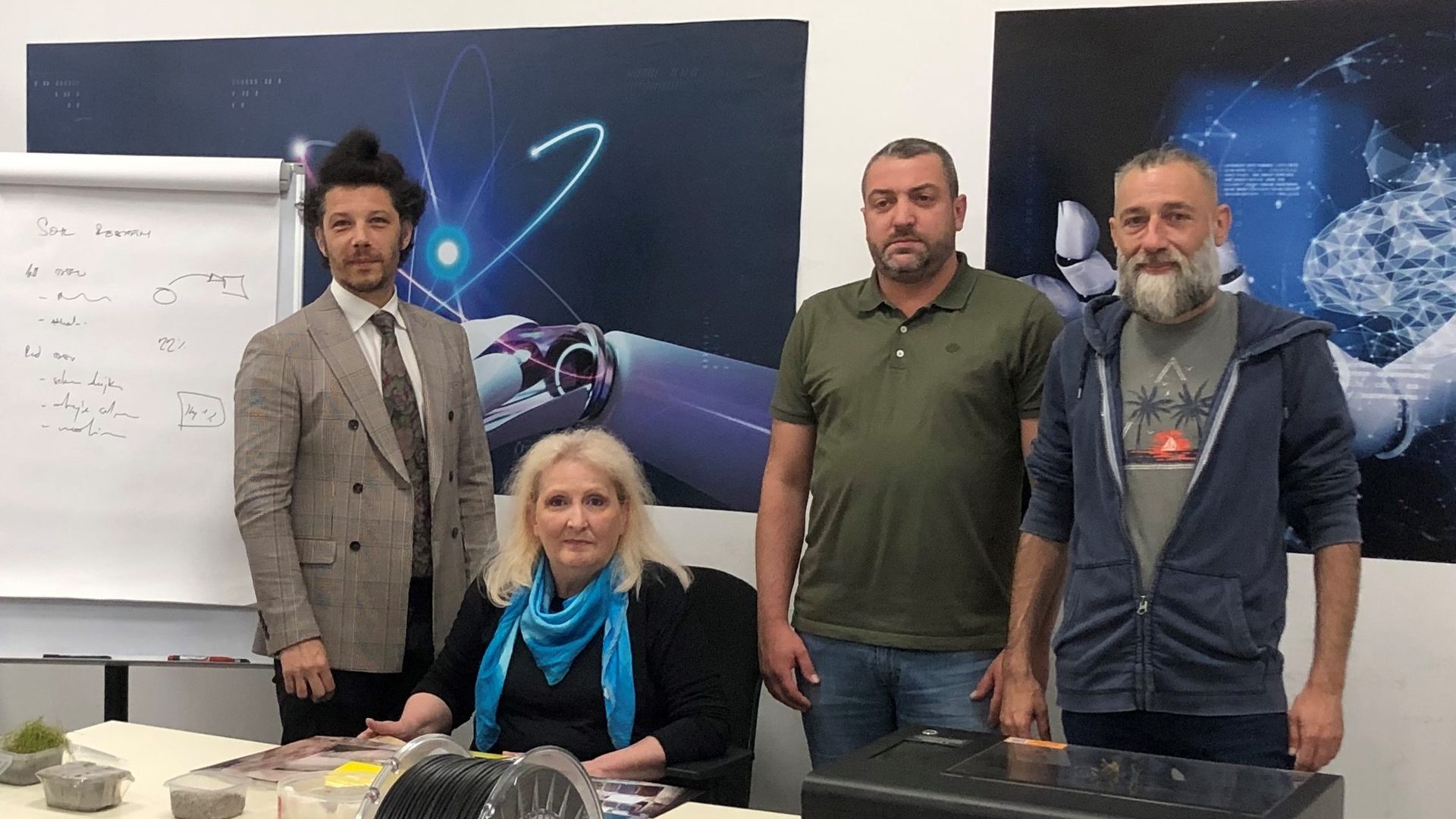
Interview with Mirsad Hadzalic, Co-Founder and CEO Soil Rebirth doo.
From Industrial Waste to Fertile Soil: How Soil Rebirth Is Turning a 30-Year Research Journey into a Global Deep-Tech Innovation.
Soil Rebirth is a female-led deep-tech startup from Montenegro developing an innovative approach to land restoration and sustainable soil production. Founded in 2024, the company builds on more than three decades of research and development led by co-founder and Chief Scientific Officer Svetlana Popčetović, who spent over 30 years working at the Pljevlja Coal Mine. Her research transformed an industrial challenge — vast quantities of sterile mining and industrial residues — into an opportunity to create fertile soil through the company’s patented “Embrion” technology.
Can you introduce Soil Rebirth and tell us the story behind its creation?
Soil Rebirth is a female-led deep-tech startup born from a profound industrial challenge. The story began with our co-founder and Chief Scientific Officer, Svetlana Popčetović, who spent over 30 years as a landscape architecture and environmental engineer at the Pljevlja Coal Mine. Working daily in a heavy-industry environment, she witnessed the immense toll that mining operations take on nature, leaving billions of tons of sterile residue marl waste sitting idle. Instead of viewing this material as a permanent environmental liability, Svetlana dedicated decades of rigorous R&D to unlock its hidden potential, leading to a breakthrough bio-mineral technology that transforms industrial residues into premium fertile soil.
When and why was Soil Rebirth founded, and what inspired the development of a technology for creating fertile soil from industrial waste?
Soil Rebirth d.o.o. was formally incorporated in September 2024 to transition a proven, multi-award-winning technological patent into a highly scalable global business. The core inspiration was the stark contradiction we saw every day: while the world is facing an acute crisis of fertile land degradation, heavy industries are simultaneously spending millions to store or move industrial residue by-products.
We knew that if we could upcycle these sterile minerals, specifically marl, coal dust, stone dust, and sawdust, into a structured, self-sustaining growing medium, we could turn an expensive industrial liability into a vital environmental asset.
What environmental or agricultural challenge did you identify that led to the development of the Soil Rebirth technology?
We targeted a critical, double-sided crisis: global fertile land degradation and industrial residue stagnation. Globally, over 2 billion hectares of land are degraded, largely driven by open-cast mining and heavy human exploitation. At the same time, traditional land reclamation methods rely on heavy bulk soil logistics—digging up healthy soil from one place to dump it onto a dead mine—which is environmentally counterproductive, relies heavily on continuous chemical fertilizers, and cuts into corporate budgets due to high transport costs. We saw the need for an on-site, artificial yet fully natural soil solution that eliminates bulk soil logistics entirely.
Soil Rebirth builds on more than three decades of research and development. How did this long-term research journey lead to the technology you have today?
Deep-tech innovations cannot be rushed; they require meticulous validation. Svetlana’s 30 year journey involved thousands of laboratory iterations, testing various mineral and organic combinations to mimic nature’s thousands-of-years-long soil creation process in a compressed timeframe. The turning point was mastering the bio-mineral structural binding that ensures long-term natural fertility without a single synthetic chemical additive. This decades-long dedication culminated in our core patent, “Embrion”, proving that complex industrial problems can be solved through persistent, localized scientific research.
What was the original vision behind Soil Rebirth, and how has that vision evolved as the technology and its potential applications have developed?
The original vision was highly localized: solving the landscape restoration and post-mining degradation challenges in Pljevlja, Montenegro. However, as the laboratory results consistently outperformed traditional soils, we realized our technology possessed universal applicability. The vision rapidly evolved from a localized remediation project into a highly scalable, asset-light B2B IP licensing global loop. Today, our vision spans far beyond mine restoration, encompassing sustainable agriculture, desert greening, and advanced urban vertical farming.
What is the core technology behind Soil Rebirth, and how does it transform industrial waste materials into fertile soil?
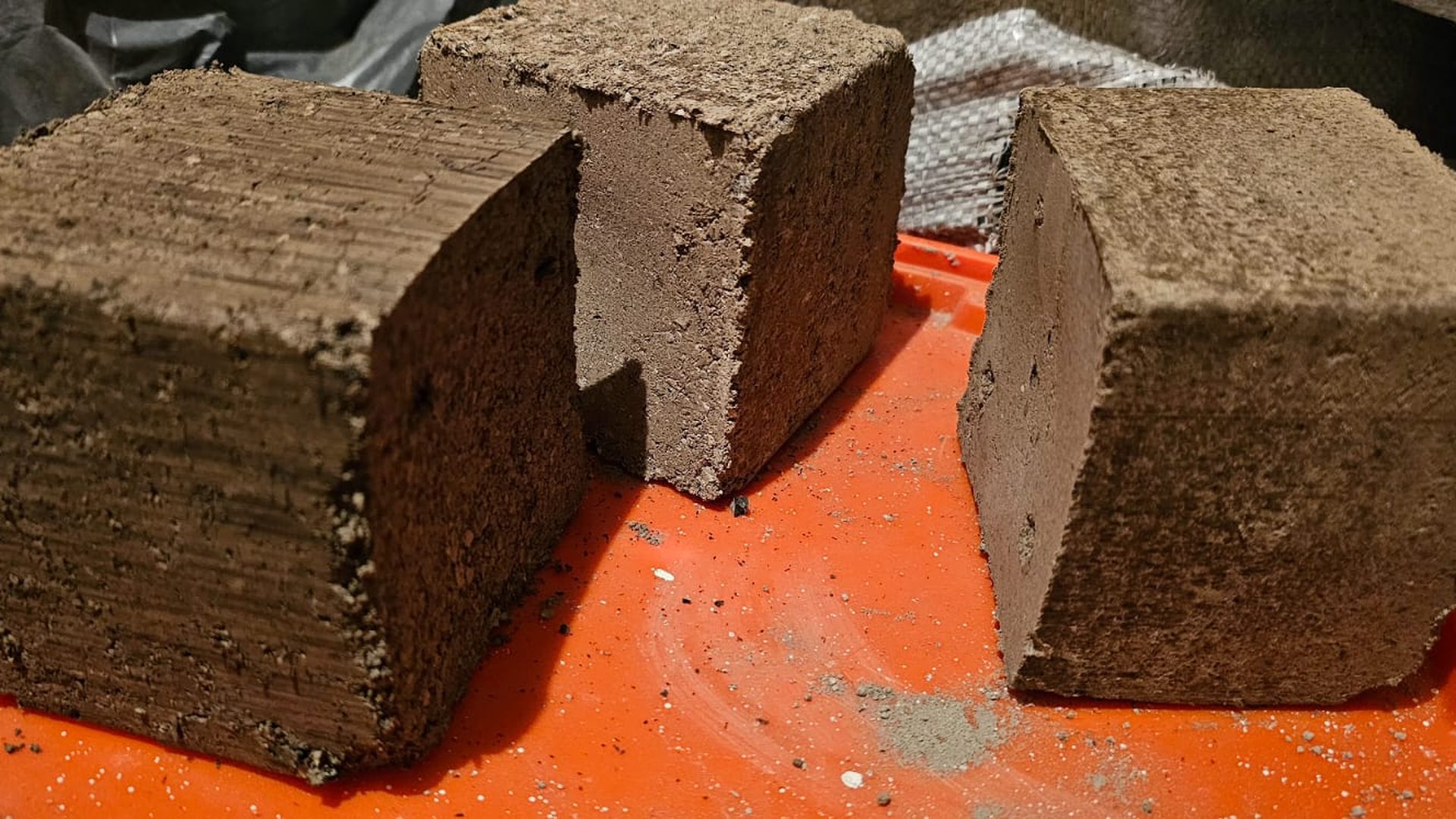
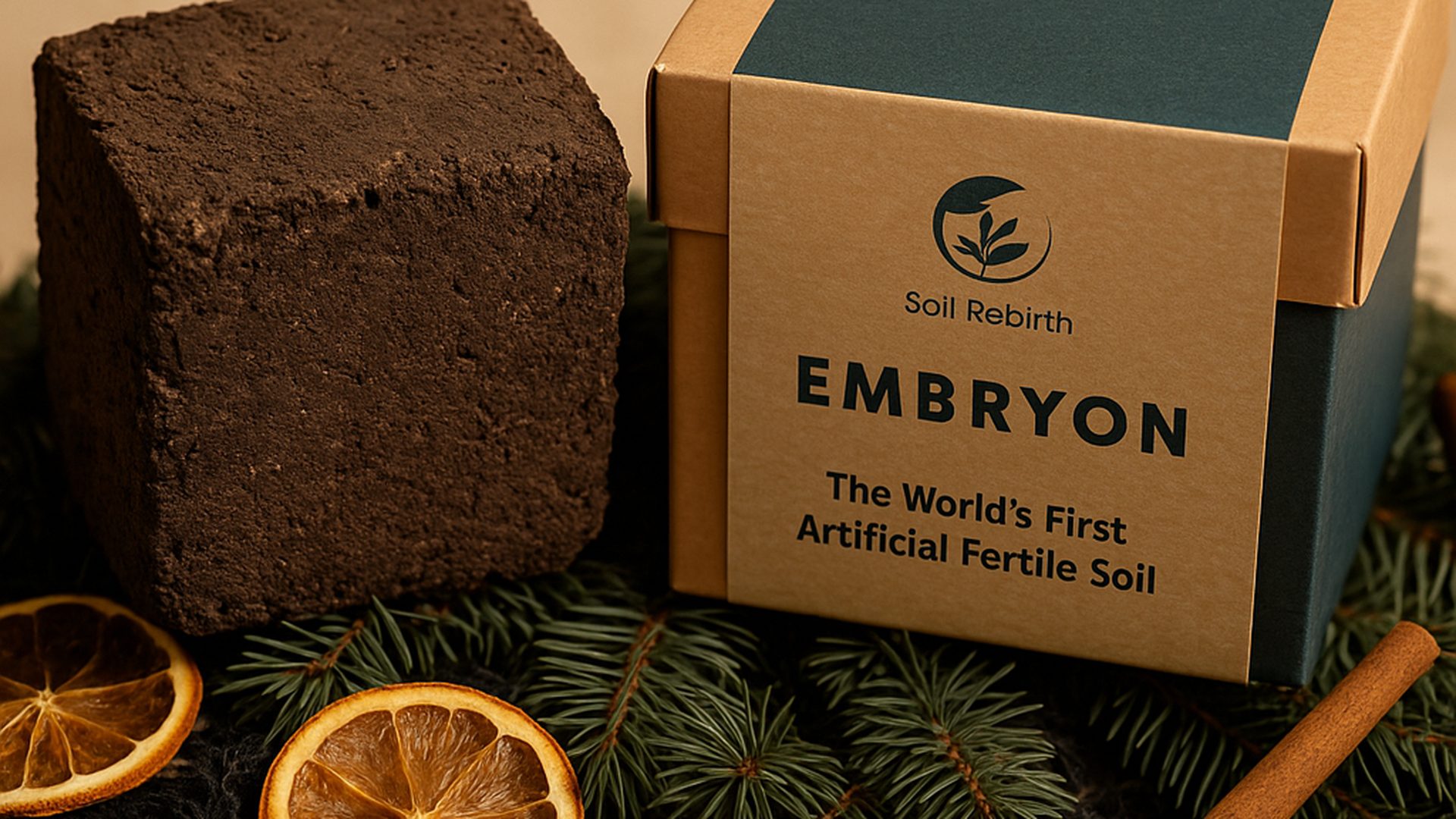
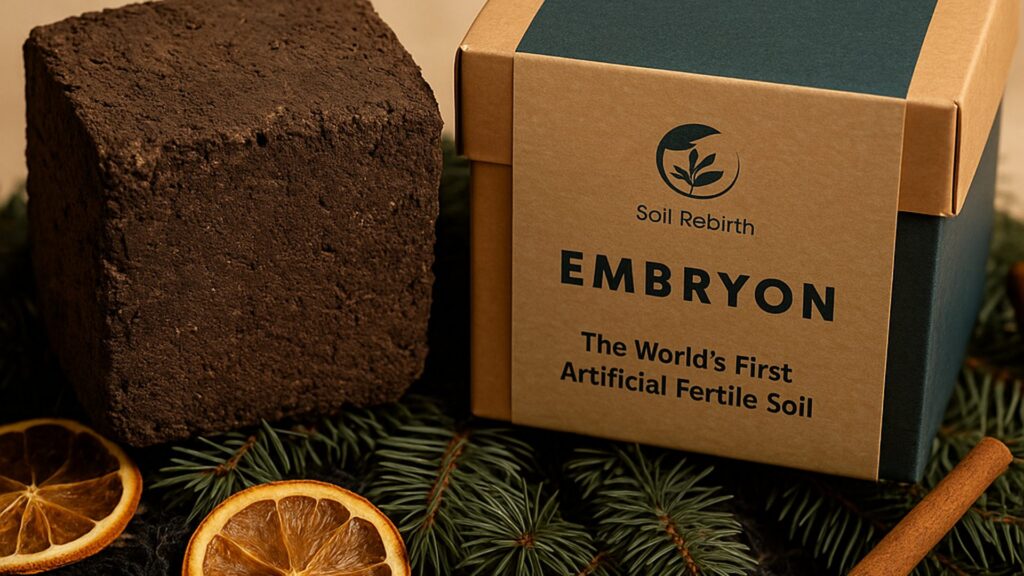
Our core innovation is the patented “Embrion” technology, a precise bio-mineral process that blends four abundant industrial and organic residues: marl, stone dust, sawdust, and coal. These materials are structurally compressed into dense, highly nutritional soil briquettes. The technical breakthrough lies in our unique, natural waterproof clay layer that acts as an outer shell. This engineered layer serves a dual purpose: it completely blocks potential heavy metals present in the environment from contaminating the crops, while preserving the internal nutrient matrix, allowing the briquette to be safely placed on any surface, including solid concrete or bare stone.
What makes your pressed soil briquette technology different from conventional soil amendments, fertilizers, or soil restoration solutions?
Conventional methods are temporary patches: chemical fertilizers degrade the soil over time and require continuous, expensive reapplication, while traditional remediation involves transporting loose, heavy bulk topsoil via heavy-truck logistics. Soil Rebirth disrupts this entirely.
We offer the world’s first pressed, structured artificial soil solution. Because of its compressed density, it cuts traditional transport logistics by 50%. Furthermore, by respecting natural crop rotation and biological cycles, it delivers an 80% on-site cost saving for operators, entirely removing chemical dependencies.
One of the key features of your technology is long-term fertility. How does the Soil Rebirth solution work after activation, and what advantages does this offer to farmers and land restoration projects?
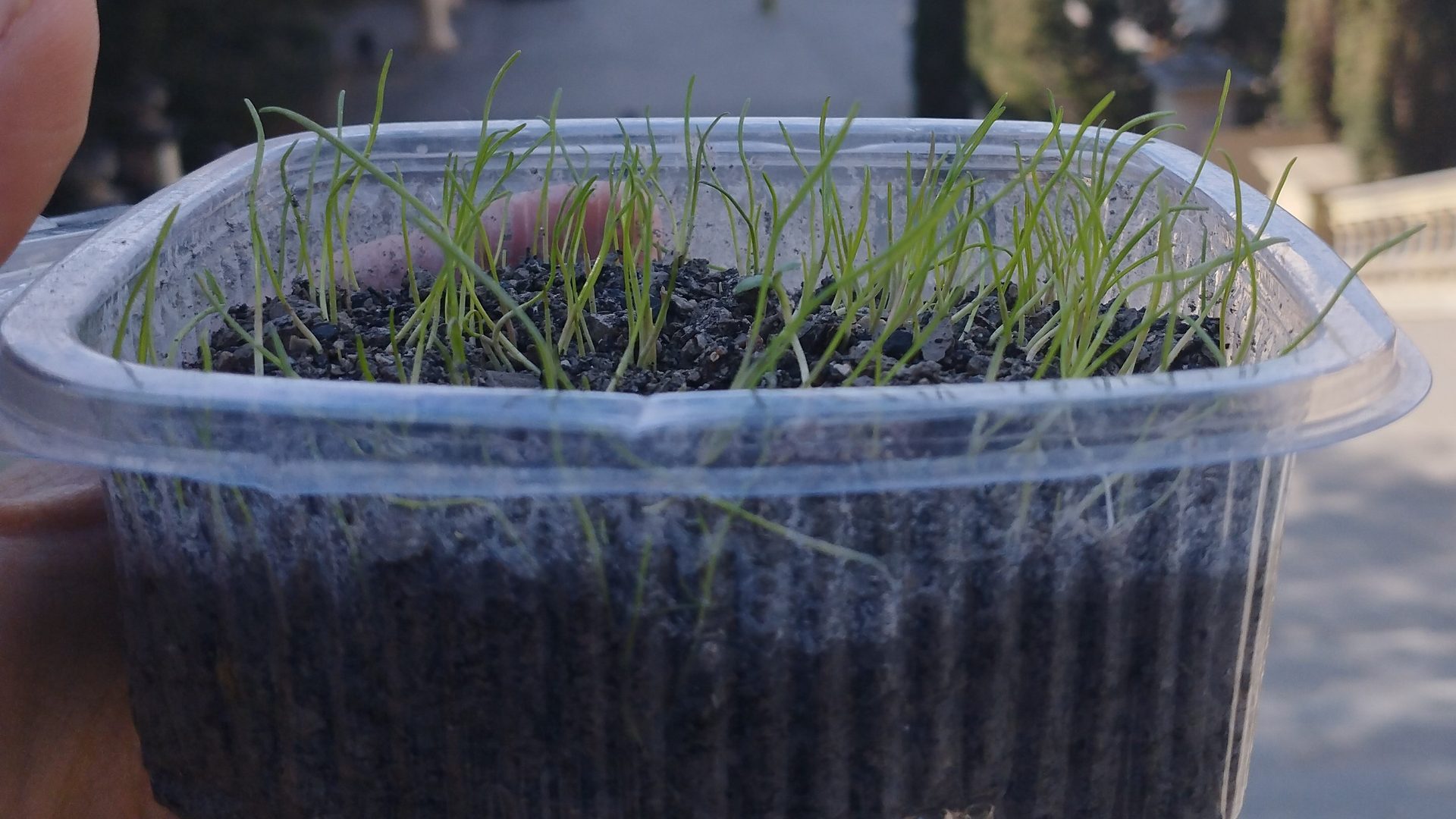
Upon hydration, the “Embrion” briquette activates its unique time-release moisture and nutrient mechanics. It does not leach nutrients into the groundwater like loose soil or synthetic fertilizers; instead, it holds them within its structured core, guaranteeing 5 to 10 years of continuous fertility without any synthetic inputs.
For land restoration projects and commercial farmers, this provides an unmatchable advantage: it converts a massive up-front operational cost into a long-term, self-sustaining biological asset, ensuring predictable crop yields and stable environmental restoration.
How does Soil Rebirth contribute to the circular economy by transforming industrial waste streams into valuable agricultural and environmental resources?
We embody the absolute purest definition of the circular economy: transforming localized industrial liabilities directly into valuable natural assets. In our model, mining and forestry by-products (marl, coal dust, sawdust) are no longer materials that choke landscapes or accumulate corporate storage fees. By upgrading these raw mineral residues into fertile manufactured virgin soil, we close the industrial loop on-site, providing a scalable mechanism for heavy industry to achieve carbon neutrality, support regional biodiversity, and actively contribute to sustainable food production systems.
What role can Soil Rebirth play in restoring degraded land, particularly former mining areas and other environmentally damaged sites?
Soil Rebirth acts as a rapid-deployment catalyst for heavy-industry land reclamation. Former mining sites are typically vast deserts of compacted, sterile stone where natural vegetation cannot take root for decades. By deploying our patented briquettes directly onto these damaged terrains, mining operators can instantly establish a robust, fertile ecosystem. Our technology completely eliminates the need for expensive topsoil stripping and ongoing chemical treatments, allowing industrial zones to meet strict European reclamation mandates rapidly and cost-effectively.
When did you first become connected with the EIT Community, and what motivated you to engage with the European innovation ecosystem?
Our connection with the EIT Community flourished as we realized that scaling a deep-tech hardware solution requires validation far beyond regional borders. We were highly motivated to engage with the European innovation ecosystem because the EU leads the world in regulatory frameworks for the circular economy and environmental transition. Programs under the EIT offered the precise structural mechanism we needed to bridge the gap between complex laboratory science and pan-European market readiness.
How has the support of the EIT Community and EIT Jumpstarter helped you validate the technology, explore market opportunities, or further develop the business model?
Being named EIT Jumpstarter Grand Finalists was a transformative milestone for Soil Rebirth. The program put our technology through an intensive European evaluation. It forced us to challenge our assumptions and refine our business model. Through elite mentoring, we transitioned from an asset-heavy approach to a highly scalable, asset-light B2B IP licensing model. EIT Jumpstarter validated our unit economics, connected us with global patent strategies, and opened doors to European mining networks that are actively seeking solutions like ours.
Soil Rebirth has already received international recognition and awards for innovation. How have these achievements influenced your confidence and ambitions for the company?
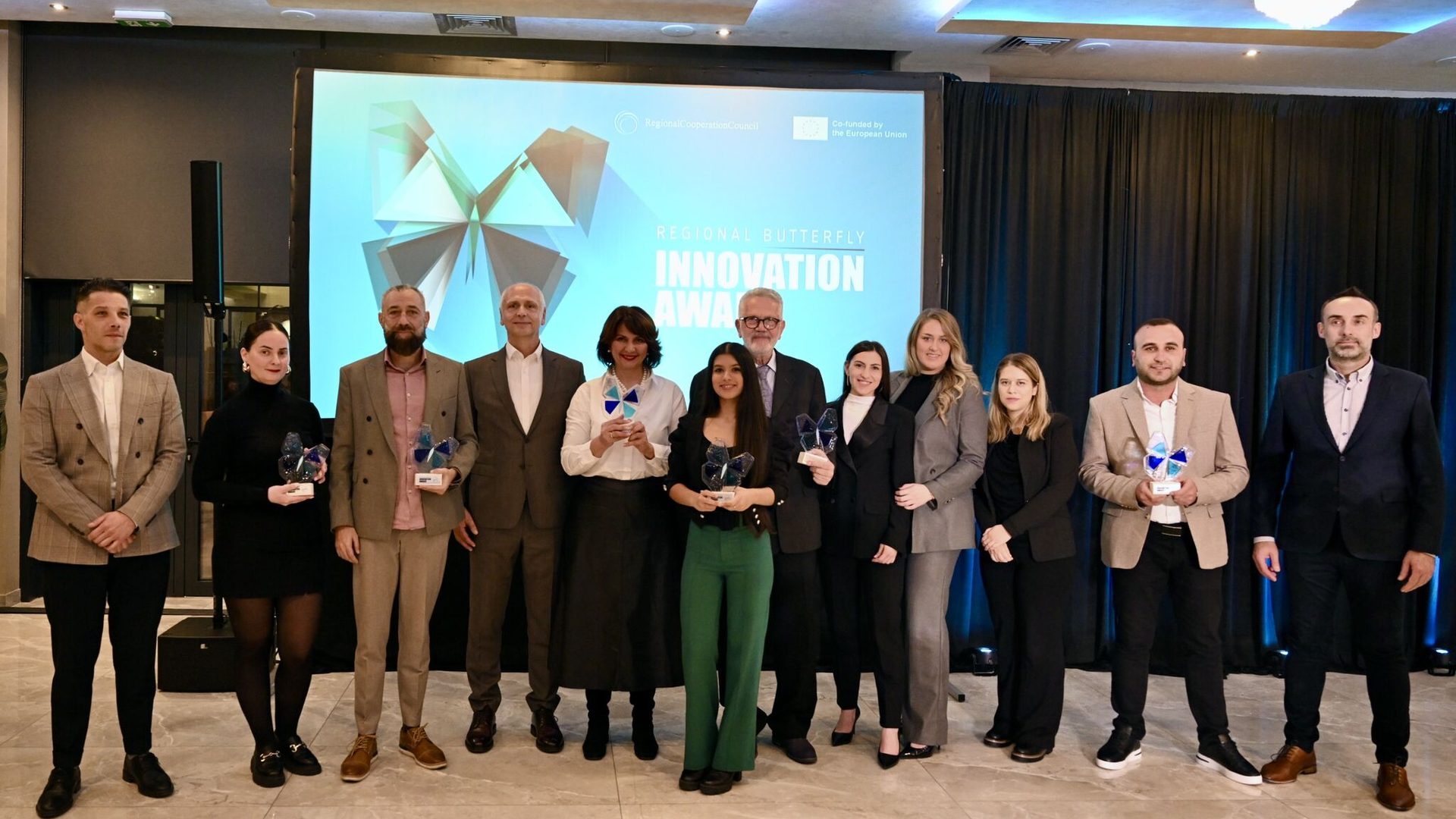
Winning the prestigious WIPO Global Award, securing the Archimedes Exhibition Gold Medal, and being recognized at the EIT Jumpstarter Grand Finals completely validated our 30-year R&D journey.
Historically, deep-tech emerging from the Western Balkans faced skepticism regarding global scalability. These elite international accolades shattered those assumptions. They have given our management team absolute confidence and fueled our global ambitions: we now know that our ironclad patent moat can compete at the highest corporate levels in the multi-billion-euro manufactured soil market.
How has being part of the European innovation ecosystem influenced your understanding of the market and your plans for international expansion?
It completely re-aligned our commercialization roadmap. Through our integration into the European innovation ecosystem, we identified our true macro-economic catalyst: the €150 Billion EU Just Transition Fund. We realized that we shouldn’t spend millions building physical soil factories across Europe. Instead, by utilizing an asset-light IP licensing framework, we can scale infinitely by integrating our patented formula directly into the pre-funded environmental budgets of EU mining operators, allowing us to expand across international markets with zero capital expenditure on factories.
Your technology has applications ranging from mine restoration and sustainable agriculture to desert reclamation and urban agriculture. Which markets or applications do you see as the most promising for the next stage of growth?
While our technology has massive vertical potential in desert greening and urban rooftop farming, our absolute primary market for the next stage of growth is heavy-industry mine restoration. This market offers the lowest resistance to entry and the highest margins because operators face severe legal penalties and strict regulatory mandates if they fail to reclaim degraded land. By capturing just a 0.5% share of the €13.97B manufactured soil market through mine licensing, we can achieve immense commercial growth before scaling into organic, sustainable agriculture.
What opportunities do you see for Soil Rebirth in the European market, particularly in the context of the EU’s focus on soil health, circular economy, climate resilience, and the just transition?
The European market is currently experiencing a historic legislative convergence. The EU Green Deal, strict circular economy directives, and upcoming soil health mandates are forcing heavy industries to actively heal the ground they operate on. This creates an unmatchable commercial opportunity for Soil Rebirth. We are directly aligned with the goals of the EU Just Transition Fund. We provide European mining operators with a legally compliant, zero-CapEx mechanism to achieve mandatory land restoration targets while maintaining high operational efficiency.
How can Soil Rebirth contribute to addressing the global challenge of land degradation and the growing need for more sustainable approaches to food production?
Soil Rebirth solves the land degradation puzzle by accelerating the timeline of nature. We take thousands of tons of sterile, unfertilized minerals that currently choke global industrial sites and instantly upgrade them into a structured, fertile matrix. By delivering a manufactured soil that holds nutrients naturally for up to a decade, we completely eliminate the need for chemical fertilizers that poison ecosystems. This allows degraded industrial zones to be safely converted into highly productive agricultural lands, expanding global food security without clearing forests.
Your technology was developed in Montenegro and is now being positioned for global markets. What does this journey demonstrate about the potential for deep-tech and green innovation to emerge from smaller European countries?
This journey demonstrates that breakthrough science knows no geographical boundaries. Smaller nations like Montenegro possess incredible, untapped intellectual capital and unique regional industrial ecosystems that foster raw, ground-up problem solving. You don’t need a billion-dollar laboratory in a massive corporate hub to build world-class deep-tech; you need dedicated, long-term scientific commitment. Soil Rebirth proves that with the right support from networks like the EIT Community, green innovations from small countries can directly address some of the world’s most pressing environmental challenges.
What role do partnerships with governments, municipalities, mining companies, farmers, and other industry stakeholders play in bringing Soil Rebirth technology to market at scale?
Strategic partnerships are the literal lifeblood of our asset-light commercialization model. Since we operate via IP licensing, we do not act as solo operators; we integrate directly into existing industrial workflows. Collaborations with mining companies unlock raw materials and on-site machinery, while partnerships with regional governments and municipalities ensure smooth regulatory onboarding and access to state environmental transition funds. By aligning the incentives of all stakeholders, we can scale our licensing loop globally at rapid speed.
What has been the biggest challenge in taking a technology based on long-term research from the laboratory and innovation stage towards commercialisation, and what have you learned from that experience?
The biggest challenge was shifting our mindset from pure laboratory science to heavy-industry business mechanics. In a lab, you focus strictly on biological perfection; in the market, you must focus on corporate compliance, unit economics, and scalable logistics. We learned that corporate mining giants are risk-averse and slow to adopt new systems. This experience taught us to structure our offering through global technology transfer frameworks, ensuring that our patent is backed by ironclad global compliance, making it seamless for international operators to buy and integrate our IP.
Soil Rebirth is more than a technology company — it is a story of how decades of scientific persistence can turn an environmental problem into an opportunity for regeneration. Developed in Montenegro and driven by the ambition to reach global markets, the company demonstrates that meaningful deep-tech innovation can emerge from small countries when scientific knowledge, local experience and the right innovation ecosystem come together. At its core, Soil Rebirth represents a simple but powerful idea: what industry leaves behind can become the foundation for what comes next.” — Mirsad Hadzalic, Co-Founder and CEO, Soil Rebirth