
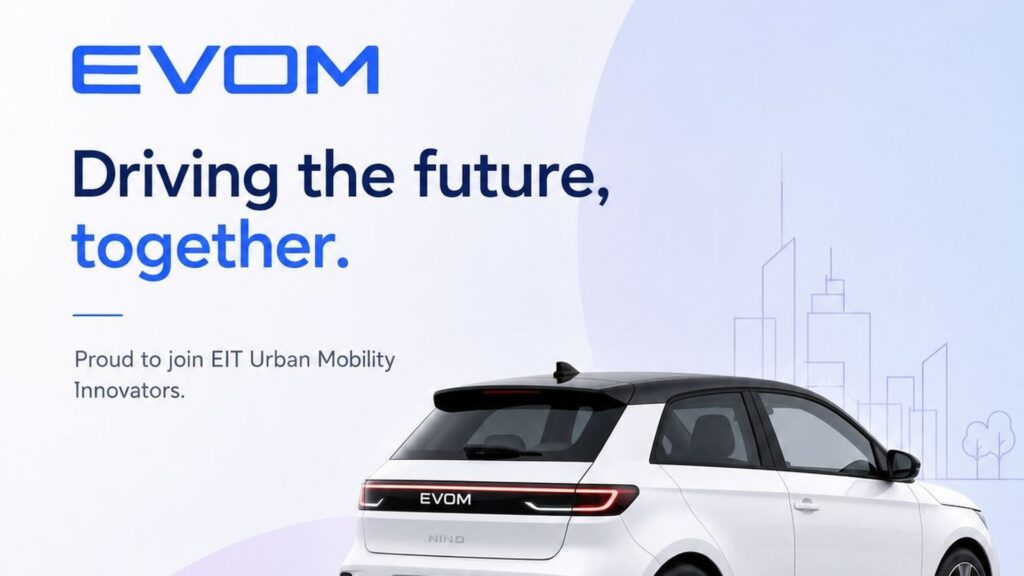
Interview with Anıl Barış Açık, Founder and CEO of EVOM.
Born in Montenegro. Designed for European cities.
EVOM (Electric Vehicle of Montenegro) is building Montenegro’s first automotive brand around a compact, modular electric vehicle platform. The following responses present the company’s journey, innovation approach, European ecosystem connections and long-term vision. We are pleased that the EIT Community Hub Montenegro has the opportunity to support EVOM on this journey, fostering innovation, sustainability and stronger integration into the European innovation ecosystem.
When and why was EVOM founded?
EVOM was founded in Montenegro in 2025, at a moment when electric mobility was accelerating across Europe but the vehicles available to many smaller cities remained too large, too expensive, or poorly adapted to local daily life. We founded EVOM with a clear ambition: to create Montenegro’s first automotive brand and prove that a small country can contribute original technology and industrial value to Europe’s mobility transition. Our starting point was not simply to build another electric car. It was to design a compact, efficient and approachable urban vehicle around the realities of European cities, narrow streets, limited parking, short daily journeys, tourism driven mobility and the growing needs of shared fleets, hotels, campuses and municipalities. EVOM therefore began as both a product vision and a national innovation project: a platform through which local talent, European engineering expertise and international partners can build something globally relevant from Montenegro.
What problem did you want to solve?
Most passenger cars are designed as all purpose vehicles, even though a large share of daily journeys is short and urban. This creates a mismatch: oversized vehicles consume more energy and materials, require more parking space and are difficult to use in historic centres and dense coastal towns. At the same time, many compact electric alternatives are either positioned at a price that limits accessibility or do not offer the flexibility required by professional fleets. EVOM addresses this gap with a purpose built urban electric platform. Our first vehicle is intended to combine a small physical footprint, a practical real-world range of approximately 150 to 200 kilometres, efficient energy use, easy maintenance and a character that people genuinely want to live with. We also recognise that an electric vehicle is only as useful as the infrastructure around it. This is why our wider ecosystem includes Electra, our electric vehicle charging initiative, which is being developed to expand access to reliable charging and create a simple digital experience for drivers and fleet operators. Together, EVOM and Electra address both sides of the transition: the vehicle people use and the charging network that keeps it moving.
What was the turning point in the development of the company?
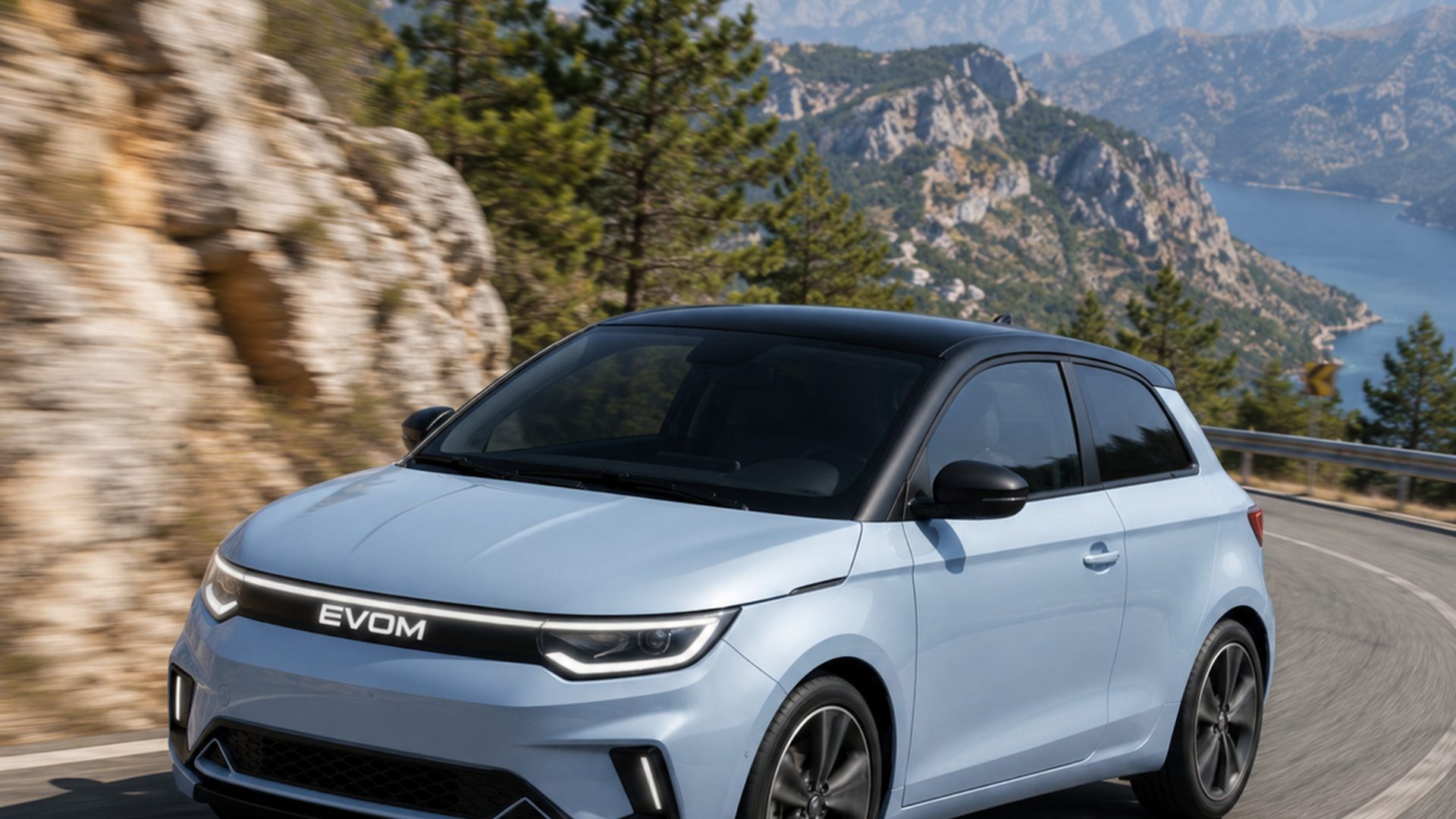
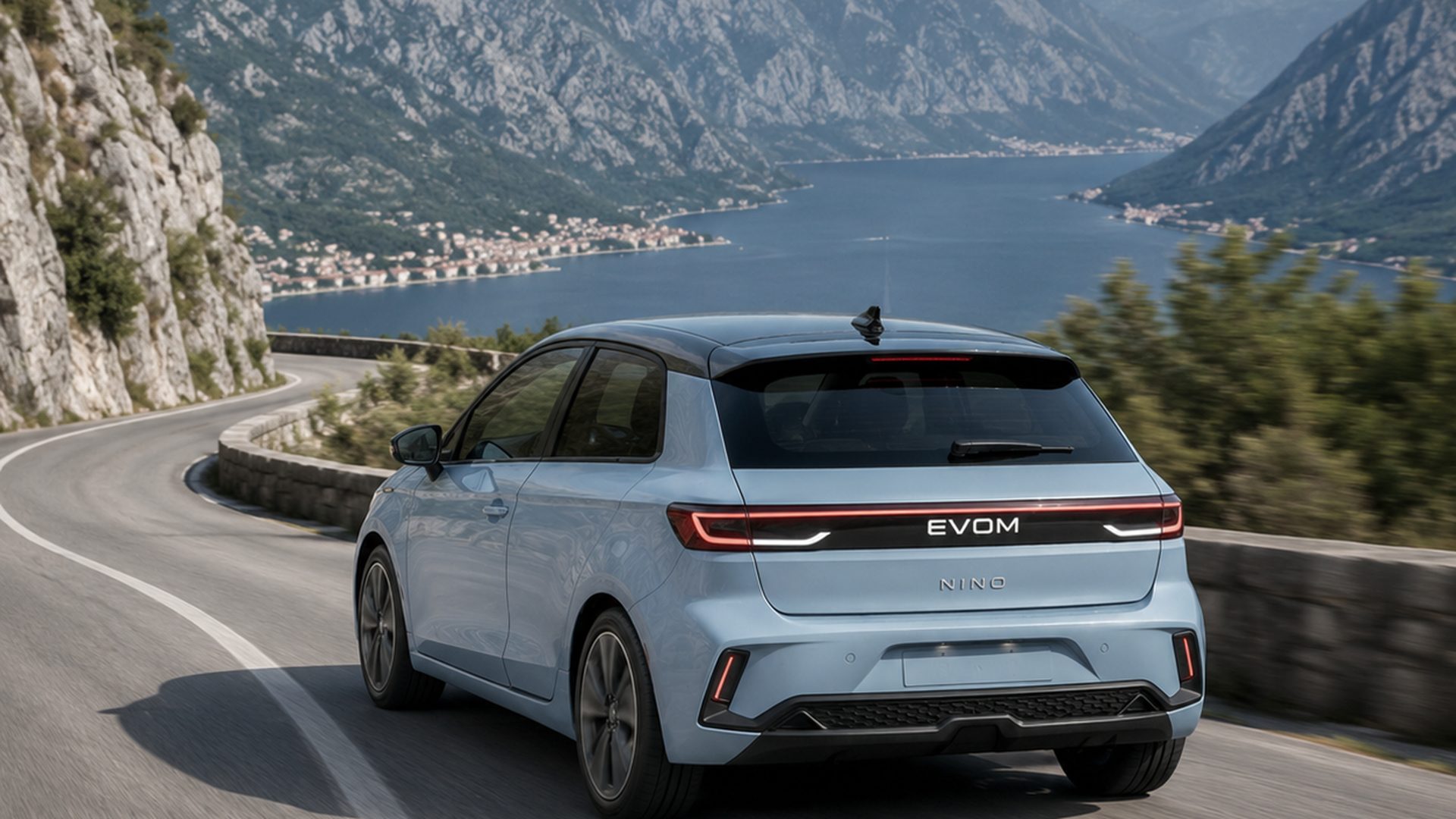
The turning point was the transition from an inspiring national concept to a structured engineering and commercial roadmap. Once the exterior design and full-scale body work began to take physical form, EVOM was no longer only an idea represented by sketches and presentations. It became a programme with tangible engineering requirements, supplier discussions, prototype milestones and a defined European market focus. Engagement with automotive and innovation networks, including international engineering, electronics, packaging, charging and manufacturing partners, helped us test our assumptions and understand the discipline required to move from design to a safe, homologated and manufacturable vehicle. The EIT ecosystem further strengthened this shift by connecting our local ambition with a wider European innovation context. This combination of a visible prototype direction, serious technical partnerships and external validation gave us the confidence to think beyond a single concept car and develop EVOM as a modular mobility platform and a long-term industrial brand. Engagement with established industry organisations gave this transition additional credibility. EVOM became a member of Automotive Cluster Slovenia and developed a valuable relationship with Automotive Cluster Bulgaria, connecting the project with experienced regional automotive networks, suppliers and industry knowledge.
What was EVOM’s initial vision, and how has it evolved over the years?
EVOM’s initial vision was to create a small electric city car carrying the identity of Montenegro. That core idea remains unchanged, but the scale and depth of the vision have evolved significantly. We now see the first vehicle not as an isolated product, but as the entry point to a modular urban electric platform. A common architecture can ultimately support a compact passenger car, a micro cargo version and specialised shuttle configurations for resorts, campuses and urban services. Our thinking has also expanded from vehicle design to complete ecosystem development. Through Electra, we are working toward a connected charging network and digital service layer that can support EVOM vehicles as well as the wider electric vehicle community. Building an electric mobility ecosystem requires engineering capability, electronics, charging infrastructure, software, testing, certification, supply chain coordination and skilled people. Our ambition today is therefore broader: create a commercially relevant vehicle, establish a credible path to pilot production, improve charging accessibility and help position Montenegro as a visible participant in Europe’s sustainable mobility and advanced manufacturing landscape.
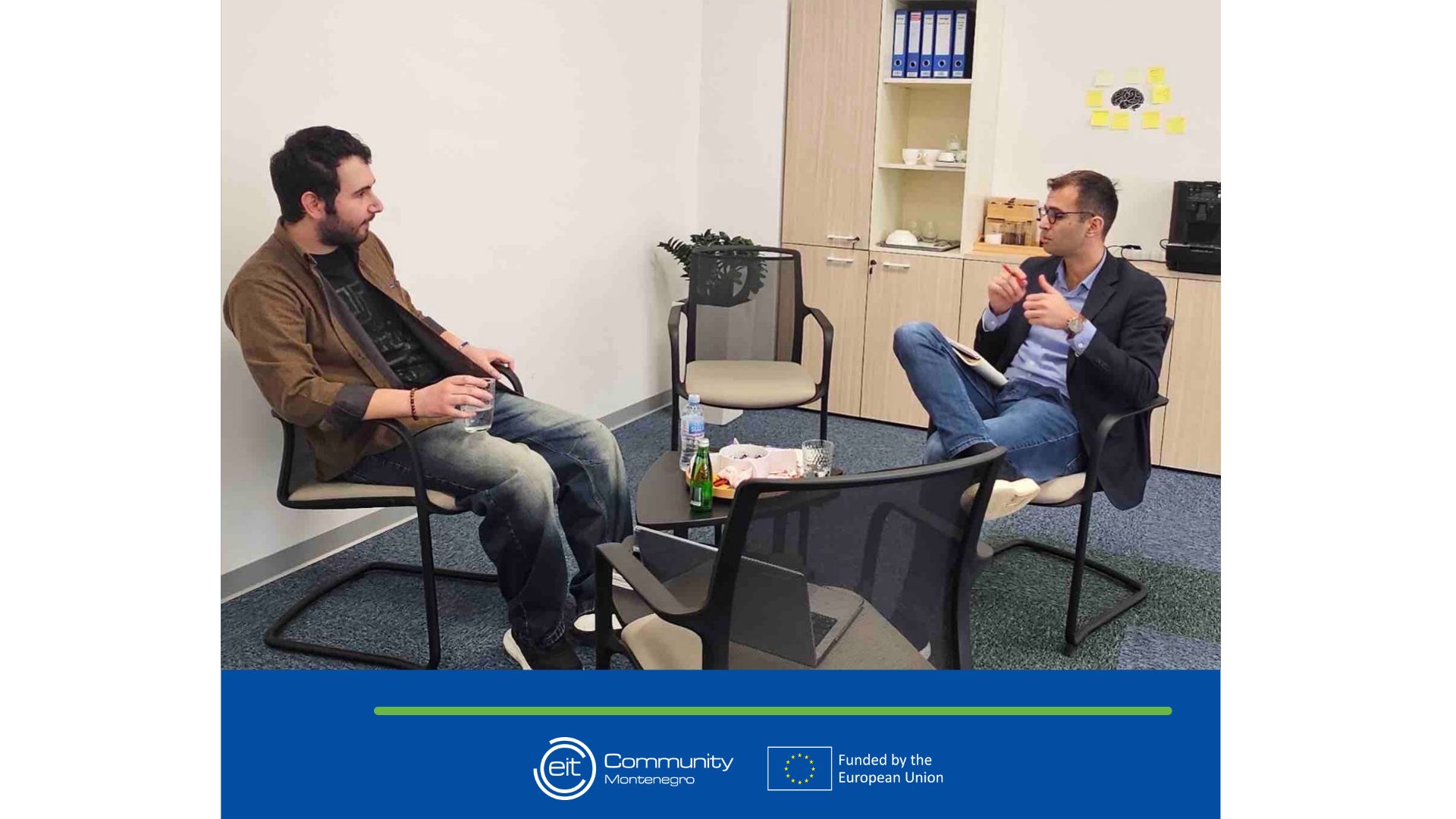
Why did you decide to build an innovative company specifically from Montenegro?
Montenegro is not a conventional automotive manufacturing centre, and that is precisely why it offers a compelling starting point. It is compact enough to serve as a real-world test environment, yet diverse enough to expose a vehicle to coastal roads, historic urban centres, mountain conditions, tourism peaks and everyday commuting needs. The country’s size also allows relationships between entrepreneurs, institutions, universities, infrastructure operators and potential pilot users to develop quickly. Beyond these practical advantages, there is a deeper reason: we believe innovation capacity should not be concentrated only in Europe’s largest economies. Montenegro has talented people, geographic visibility, an emerging innovation ecosystem and a strong need for new high value industries. Building EVOM here creates more than a product; it creates an example. It shows young engineers and entrepreneurs that they do not have to leave their country’s identity behind to pursue an ambitious European project. They can begin locally, collaborate internationally and design for a market far larger than their home country. EVOM is important for Montenegro because it can translate national ambition into lasting capability. The project creates a platform for skilled employment, engineering education, international cooperation and future local supplier development, while giving the country a new industrial story to present to Europe.
What innovation or solution is EVOM developing, and why is it important?
EVOM is developing a modular, fully electric urban vehicle platform, beginning with a compact city car designed for European streets. The platform is centred on efficient packaging, optimised battery placement, a straightforward electric drivetrain, serviceability and the ability to support different body and fleet configurations. The first model targets a realistic urban range of approximately 150 to 200 kilometres, which is sufficient for typical daily use without carrying unnecessary battery weight and cost.
Alongside the vehicle, Electra is being developed as a charging infrastructure and digital mobility initiative. Its purpose is to make charging easier to locate, access and manage while creating a foundation for public, destination and fleet charging services. This combined approach is important because the electric mobility transition cannot depend on vehicles alone. EVOM provides an efficient urban product, while Electra supports the infrastructure and user experience needed for confident adoption. Together, they form a more complete and scalable response to the mobility needs of Montenegro and other emerging European markets.
What is the biggest challenge in the industry that you are trying to address?
The industry’s central challenge is making electric mobility genuinely accessible and appropriate for daily urban use while meeting strict expectations for safety, quality, certification and customer experience. Electric vehicles can still be expensive, and much of the market continues to prioritise size, power and long range, even when these features add battery mass and cost that many urban users do not need. For a new European automotive company, the challenge is compounded by high development costs, complex homologation requirements and supply chains designed primarily for large production volumes. EVOM is addressing this through disciplined scope: a compact vehicle, a realistic use case, a modular architecture and partnership led development. We do not underestimate the automotive industry’s barriers. Instead, we are building a staged pathway from design validation to rolling prototypes, testing, homologation planning and pilot fleets. Our aim is to demonstrate that a focused product and an open collaboration model can make urban electric mobility simpler, more efficient and more attainable.
How does EVOM combine technology, sustainability, and market needs?
We begin with the use case rather than technology for its own sake. Urban drivers and fleets need vehicles that are easy to manoeuvre, simple to charge, economical to operate, comfortable in daily use and straightforward to maintain. EVOM translates these needs into a compact architecture, an efficient electric drivetrain, practical battery capacity and digitally enabled fleet capabilities. Electra extends that experience beyond the vehicle by connecting charging locations, infrastructure management and driver access through a unified service vision. Sustainability is embedded through right sizing: a smaller vehicle can reduce material demand, energy consumption and pressure on urban space, while accessible charging can make electric mobility practical for more people and organisations. The two projects also respond to concrete market needs. EVOM can serve commuters, hospitality operators, campuses, municipalities and shared fleets. Electra can support public charging, destinations, commercial properties and fleet operations. Our objective is an integrated system in which the vehicle, charging infrastructure and digital experience reinforce one another.
What differentiates EVOM from other companies in your sector?
EVOM is differentiated by the combination of an urban first product philosophy, a modular platform strategy and its origin in Montenegro. We are not attempting to compete through extreme performance or excessive battery capacity. We focus on the overlooked space between basic micro mobility and conventional passenger cars: a compact electric vehicle with real everyday usefulness, strong visual identity and the flexibility to serve both individuals and fleets. Montenegro also gives the brand an authentic design context. Coastal towns, Mediterranean colour, narrow streets, tourism operations and compact distances directly inform the product rather than being added later as marketing language.
Finally, EVOM is being built through an open European partnership model. We intend to combine local prototyping and brand development with specialised international expertise in engineering, electronics, manufacturing, testing and certification. This makes EVOM both distinctly Montenegrin and inherently European, a company that is proud of where it comes from while being designed from the outset for collaboration and scale.
When did you first become connected with the EIT community, and what motivated you to get involved?
EVOM’s connection with the EIT Community Hub Montenegro began during the company’s early development, as we searched for European networks that could help us transform a bold mobility concept into a structured innovation journey. We were motivated by EIT’s unique ability to connect entrepreneurship, education, research, industry and investment across borders. For a company emerging from a smaller innovation ecosystem, access to this kind of community is especially valuable. It provides exposure not only to programmes and opportunities, but also to the standards, language and expectations of the wider European market. Our engagement with the EIT Community Hub Montenegro gave us a local point of entry into that network and helped us see EVOM within a broader European mission: accelerating sustainable innovation, strengthening regional capability and ensuring that promising ideas from widening countries can participate meaningfully in Europe’s future industries.
How has EIT support contributed to EVOM’s development?
EIT support has contributed most importantly through orientation, visibility, knowledge and connection. The EIT Community Hub Montenegro and Mr. Ilija Mugoša, EIT Community Officer has helped us navigate a large and sometimes complex European innovation landscape, identify relevant opportunities and present our vision within an international context. Participation in EIT related activities has also encouraged us to test the clarity of our value proposition, examine our technology and market assumptions and communicate more precisely about our roadmap, impact and partnership needs. Just as valuable is the confidence created by being connected to a respected European community.
For an early-stage company developing a capital-intensive product from Montenegro, visibility and credible networks can accelerate conversations that would otherwise take much longer to begin. EIT has helped us move from thinking primarily as a local initiative to operating with a European frame of reference. We view this relationship as an important foundation for future collaboration in mobility, manufacturing, sustainability, skills and investment readiness.
How has being part of the European innovation network changed your ambitions?
It has made our ambitions both larger and more disciplined. The network confirmed that EVOM can carry a strong Montenegrin identity while addressing needs shared by cities across Europe. At the same time, interaction with experienced innovators and institutions reinforced that automotive success depends on evidence, milestones and partnerships, not vision alone. As a result, we now think more systematically about engineering validation, homologation, intellectual property, supply chain resilience, pilot customers, investment readiness and the skills needed for future production. European participation also changed our understanding of scale. We do not define scale only as producing a large number of one vehicle. A modular platform can scale through multiple applications, targeted pilot fleets, licensing, manufacturing alliances and integration into regional value chains. Our ambition is therefore not simply to export a car. It is to build a European mobility company from Montenegro and create durable industrial knowledge and opportunity around it. Our membership in Automotive Cluster Slovenia and our engagement with Automotive Cluster Bulgaria have made this European perspective more concrete. These relationships provide access to automotive expertise, supplier networks and cross border dialogue that are especially important for a company emerging from a country without an established automotive industry.
What are the biggest achievements EVOM has accomplished so far?
Our most important achievement is that EVOM has progressed from a national level idea into a visible, structured electric mobility initiative with a defined product direction. We have established the concept of Montenegro’s first car brand, developed the design language for our first compact urban electric vehicle and advanced the physical exterior body work that makes the vision tangible. We have defined a target urban range of approximately 150 to 200 kilometres and a modular platform direction for passenger, cargo and shuttle use cases. In parallel, Electra has expanded our work from vehicle development into the charging ecosystem, with a national infrastructure vision, an advanced digital application concept and active evaluation of charging technology and platform partners. We have also built relationships across the European automotive and innovation ecosystem, engaging engineering, electronics, charging, packaging, manufacturing and cluster partners. These achievements do not mean that the difficult work is complete. Their importance is that they have created the foundations for a connected mobility ecosystem that can move responsibly toward prototypes, charging deployment and pilot operations. Becoming a member of Automotive Cluster Slovenia and establishing a relationship with Automotive Cluster Bulgaria are important milestones in this journey. They connect EVOM with experienced automotive communities in the region and demonstrate that a mobility initiative from Montenegro can earn a place in serious European industry networks.
How does your story demonstrate that innovation can emerge outside major European technology hubs?
EVOM began without the advantages normally associated with an automotive centre: a mature supplier base, established vehicle factories, large pools of specialised capital or generations of industrial know how. Yet those constraints did not prevent the project from developing a distinctive idea, attracting attention and building serious European relationships. Our story shows that innovation today can be distributed. Design can begin in Montenegro, specialised engineering can be sourced through European partnerships, prototypes can be validated with the right facilities and knowledge can move across borders. What matters is the ability to define a real problem, build trust, learn quickly and connect local strengths to international capability. Smaller ecosystems can also see opportunities that larger markets overlook. Montenegro’s geography and tourism economy make compact urban and hospitality mobility especially visible.
By turning that local insight into a product for European cities, EVOM demonstrates how a peripheral location can become a source of relevance and differentiation rather than a limitation. For Montenegro, EVOM carries significance beyond the development of one vehicle. It can help create advanced engineering capability, retain and attract technical talent, encourage technology transfer, open new opportunities for suppliers and make the country more visible to European investors and industrial partners. As Montenegro’s first automotive brand, EVOM can become a practical symbol of the country’s transition toward a knowledge based, sustainable and export-oriented economy.
Who are the people behind EVOM, and what values guide your team?
EVOM is led by founder Anıl Barış Açık and currently brings together a technical team of 14 engineers. This multidisciplinary engineering capacity is supported by designers, technology specialists, business developers and local and international partners. Our team combines entrepreneurial speed with the technical seriousness required by the automotive and energy sectors. We are also building relationships with institutions, laboratories, universities, suppliers, mobility operators and experienced industry professionals because no credible vehicle and charging ecosystem can be created in isolation. Four values guide us. The first is courage: building Montenegro’s first automotive brand requires ambition beyond established expectations. The second is responsibility: safety, engineering integrity and honest communication about our development stage are essential. The third is openness: we actively seek expertise and partnerships across Europe while continuously strengthening our internal capabilities. The fourth is usefulness: technology must solve real mobility problems and create measurable value for users, cities and the environment. These values guide both EVOM and Electra and define the culture of the team building them.
Where do you see EVOM in five years?
Within five years, we aim to see EVOM progress from early engineering into validated, road going prototypes and carefully selected pilot fleets, with a clear pathway through testing, homologation and commercial production. We envision the first compact city vehicle operating in real environments such as municipalities, hotels and resorts, campuses, car sharing services and urban fleets in Montenegro and selected European markets. By that stage, we also want Electra to operate as a recognised charging network and digital mobility service, supporting public locations, destinations and fleet customers across Montenegro and preparing for regional expansion. The long-term value lies in connecting both systems. EVOM vehicles can generate real demand and user insight for the charging network, while Electra can make EVOM ownership and fleet operation more convenient. Success will therefore mean more than vehicles on the road. It will mean a connected mobility platform, skilled employment, European partnerships and an innovation base that positions Montenegro as a credible contributor to clean transport.
What advice would you give to young innovators from Montenegro and the region?
Do not allow the size of your country to determine the size of your ambition. Begin with a problem you understand deeply, then build evidence step by step. A powerful vision opens doors, but credibility comes from prototypes, customer conversations, measurable milestones and the willingness to confront difficult feedback. Use your local context as an advantage: smaller markets can reveal specific needs, allow faster relationships and provide authentic stories that large competitors cannot easily reproduce. At the same time, think internationally from the beginning. Learn to communicate your idea clearly in a European context, seek mentors and partners outside your immediate circle and participate actively in networks such as EIT. Do not wait until every resource is available; map what you can build locally and what should be achieved through collaboration. Most importantly, be patient with ambitious projects. Progress in deep technology and industry is rarely linear. Consistency, integrity and the ability to keep learning are more valuable than appearing successful too early.
What new opportunities does the European market create for companies from Montenegro?
The European market gives Montenegrin companies access to far more than customers. It offers research and innovation programmes, specialised knowledge, testing infrastructure, industrial partners, investors, common standards and talent from across the continent. The green and digital transitions are creating new demand in areas where Montenegro can build capability without inheriting legacy systems, including electric mobility, charging infrastructure, clean energy, tourism technology and smart cities. For EVOM and Electra, Europe provides both a market and a collaboration environment. Compact cities, decarbonisation objectives and new mobility models create demand for efficient vehicles and dependable charging, while European networks provide access to engineering, software, infrastructure expertise and investment. European interoperability and charging standards can also allow solutions first tested in Montenegro to connect with a much larger regional ecosystem. The opportunity is to participate not as a low-cost periphery, but as a creative, reliable and specialised contributor to Europe’s clean mobility value chain.
“EVOM demonstrates that location is no longer a limitation for innovation. With the right partners, knowledge and access to European networks, ideas from Montenegro can create impact across Europe.”
Anıl Barış Açık, Founder and CEO, EVOM, Electric Vehicle of Montenegro